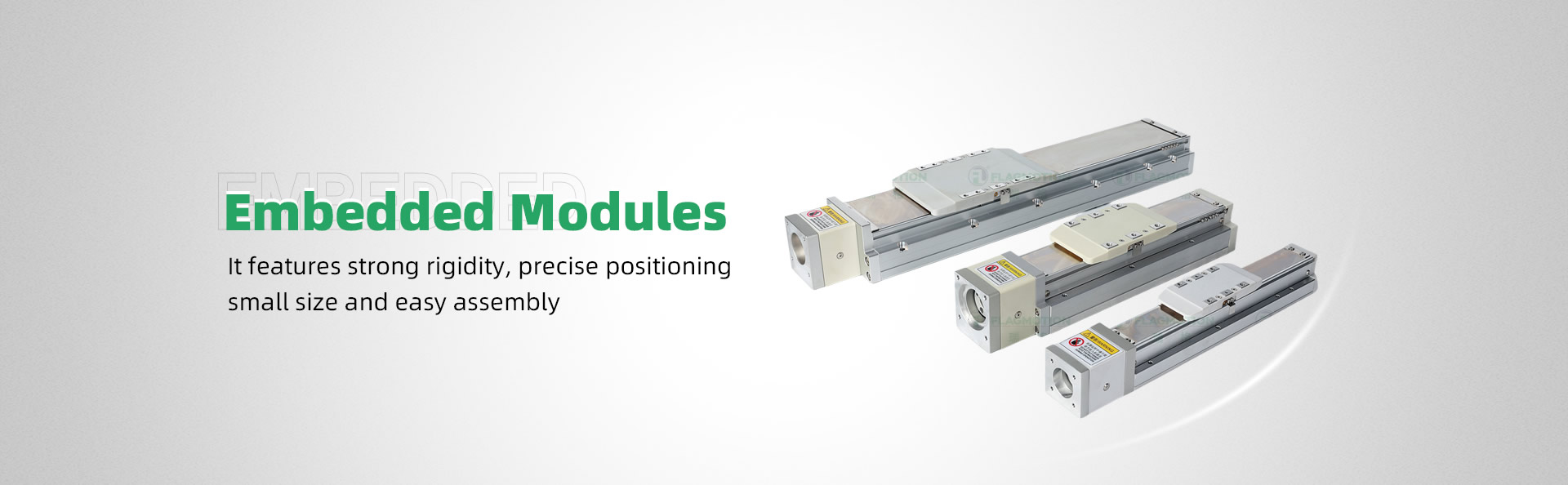
An embedded module, also known as an embedded module, is an integrated electronic component that integrates multiple electronic elements and circuits within a closed enclosure to achieve specific functions. This design enables the embedded module to have a high degree of integration and compactness, facilitating rapid deployment and use in various devices and systems. The main features of embedded modules include: First, high integration, integrating multiple electronic components and circuits within a single module, reducing external connections and wiring, and enhancing the stability and reliability of the system; Second, it is small in size and light in weight, making it convenient to use in equipment with limited space.
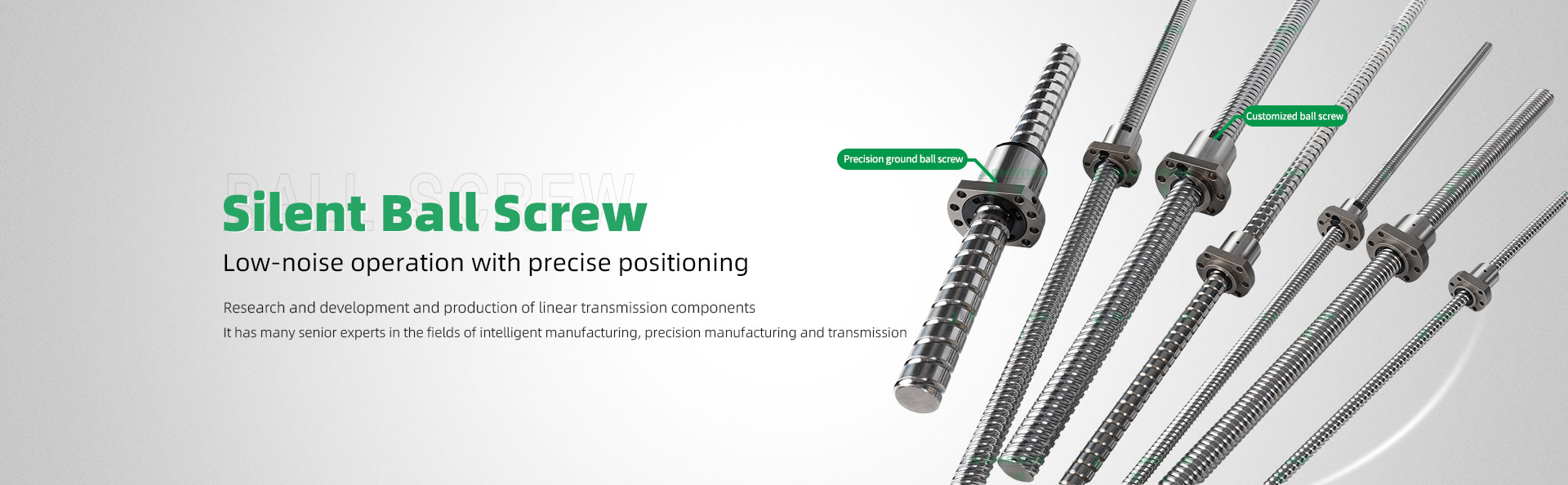
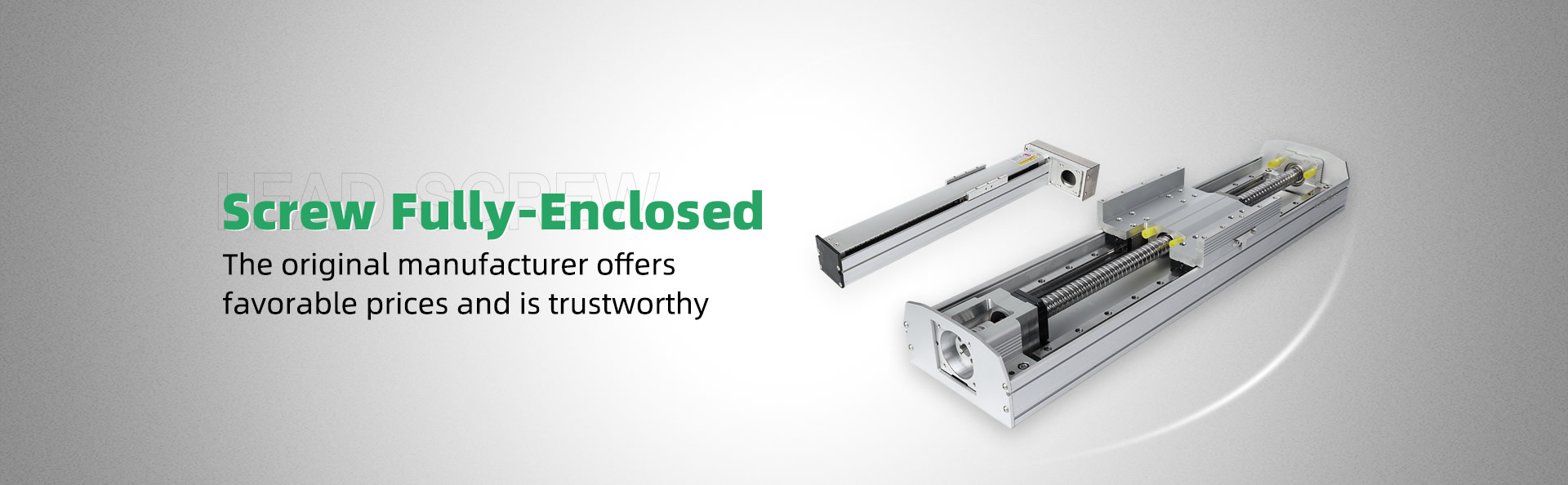
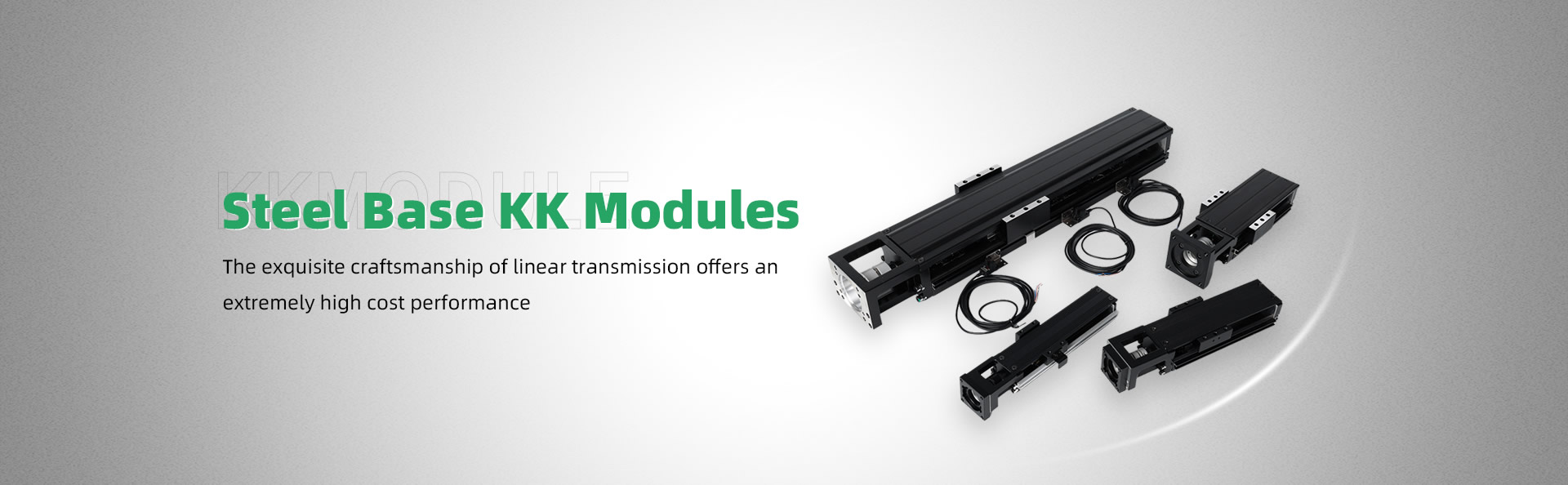
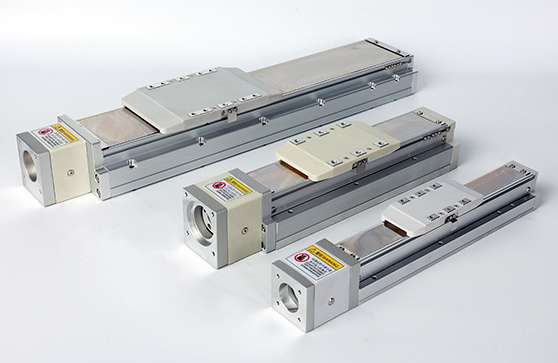
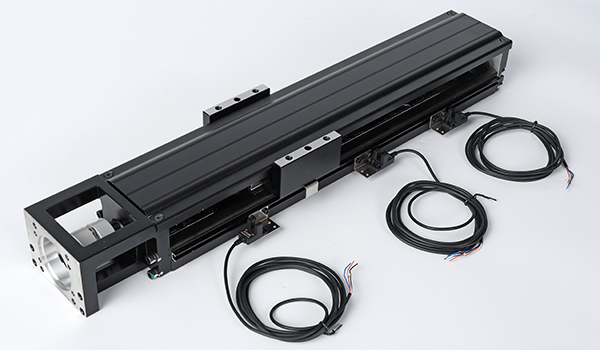
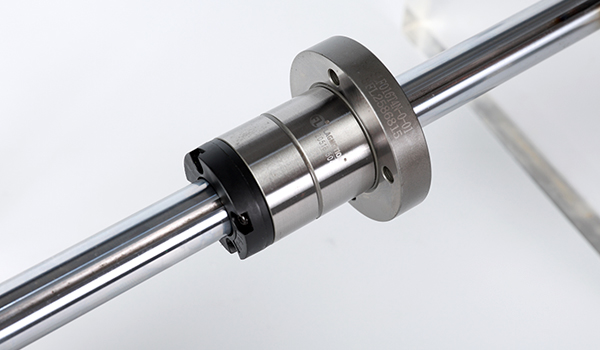
The working principle of the KK module is that the motor is connected to the rotating shaft through a coupling to rotate, thereby driving the lead screw to rotate. The lead screw nut seat controls the direction to move back and forth. The KK module is called the "noble" among linear modules mainly due to its structural features, performance advantages and price. 1. Modular design: Through modular design, KK modules integrate ball screws and linear guides, using high-precision ball screws as the transmission mechanism and optimally designed U-shaped tracks as the guiding mechanism, ensuring the requirements of precision and rigidity.
Ball splines, a type of mechanical transmission component, have a wide range of applications, almost covering all fields that require precise transmission. In this article, we will delve into the application scope of ball splines, explore their potential value, and provide new ideas for future design and manufacturing. The automotive industry is one of the main application fields of ball splines. In the transmission system of automobiles, ball splines are widely used in key components such as gearboxes, differentials, and steering gears. Its main function is to transmit torque and bear loads.
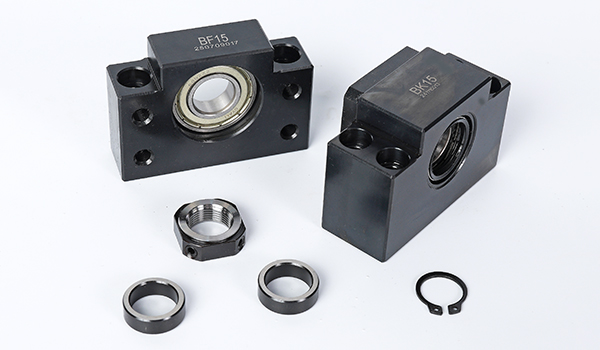
The screw support seat is an important component for the connection between the ball screw and the motor. By correctly selecting and using the screw support seat, the stable operation and long-term reliability of the ball screw system can be ensured. So, what are the requirements for the installation of screw support seats? I. Preparations before Installation 1. Inspect the support base: Ensure that the support base is undamaged, especially the bearings and seals should be intact. 2. Cleaning work: Before installation, keep the support base and the working environment clean to prevent dust and debris from entering the interior of the support base.
In daily work, maintaining linear guides is indispensable. The correct maintenance methods can extend the service life of linear guides and improve the accuracy and stability of mechanical equipment. Below, I will share some methods and tips for maintaining linear guides. First, keep it clean. The accuracy and lifespan of linear guides largely depend on their cleanliness. Therefore, it is very important to keep the linear guide rails clean. In daily work, it is necessary to regularly clean the linear guide rails and their surrounding environment to prevent the intrusion of impurities such as dust, dirt and chips.
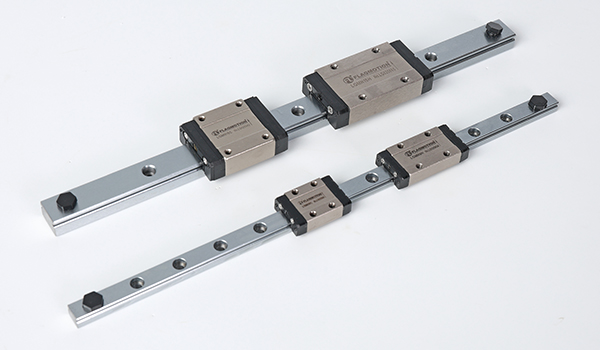
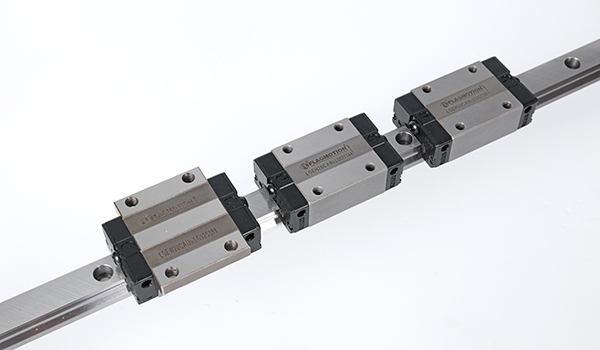
Linear guide rails are mechanical components composed of guide rails and guide rail sliders. Guide rails are long, strip-shaped metal materials installed on machines, usually made of high-precision materials, and are classified into ordinary linear guide rails, ball linear guide rails, etc. The guide rail slider is a component installed on worktables, grinding machines, etc. It is usually composed of the slider body, contact hemispheres, gaskets and other parts. Its movement on the guide rail enables the precise movement of the worktable and the spindle. Installation requirements and precautions for linear guides: 1. Select the installation location. The installation location should be as far away as possible from factors that affect the machine's operation, such as vibration and temperature changes, while also ensuring the convenience of machine operation