
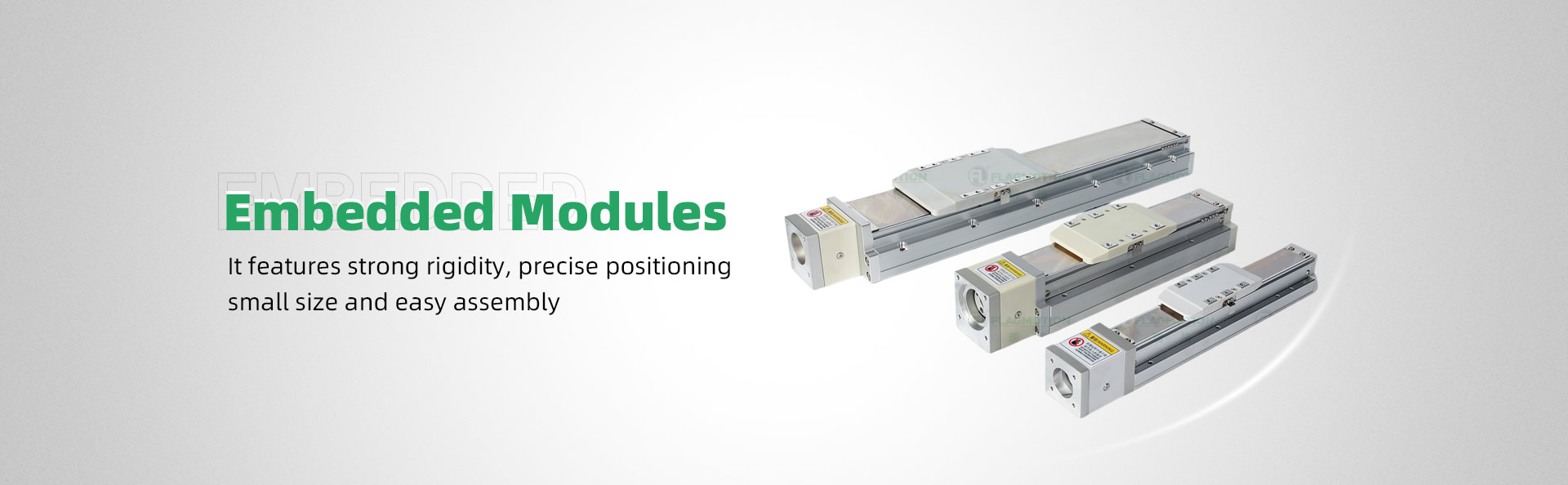
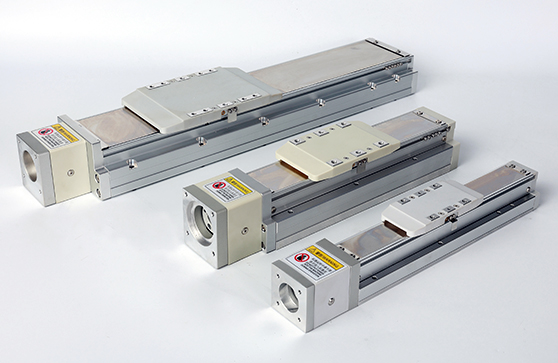
An embedded module, also known as an embedded module, is an integrated electronic component that integrates multiple electronic elements and circuits within a closed enclosure to achieve specific functions. This design enables the embedded module to have a high degree of integration and compactness, facilitating rapid deployment and use in various devices and systems.
The main features of embedded modules include: First, high integration, integrating multiple electronic components and circuits within a single module, reducing external connections and wiring, and enhancing the stability and reliability of the system; Second, it is small in size and light in weight, making it convenient to use in equipment with limited space. Thirdly, it is easy to install and maintain. The modular design makes replacement and upgrade simpler and faster. Fourth, it has good compatibility and scalability, and can be customized and expanded as needed to meet the requirements of different application scenarios.
Embedded modules are widely used in industrial automation, communication, medical care, consumer electronics and other fields, providing core electronic functions and performance for various devices and systems. With the continuous advancement of electronic technology, the design and manufacture of embedded modules are also constantly being optimized and innovated to meet the market's demand for high-performance and highly reliable electronic components.
Embedded modules are an integrated design and have extensive applications in multiple fields. In the field of industrial automation, embedded modules are used to control machines and automated production lines. By integrating sensors, controllers and actuators, efficient production process management is achieved. In the automotive manufacturing process, embedded modules can control welding robots, ensuring welding quality while enhancing production efficiency.
In the field of medical equipment, the application of embedded modules is also very extensive. They can be integrated into portable medical devices such as blood glucose monitors and heart monitors, providing real-time health monitoring for patients through precise sensors and data processing units.
In the field of smart home, embedded modules make home automation possible. They can be integrated into smart bulbs, smart sockets and smart door locks, and connected via wireless networks. Users can remotely control the devices at home through mobile phone applications to achieve energy management and security monitoring.
In the field of communication, embedded modules are used to build small base stations and wireless routers, which can integrate signal processing and network communication functions to provide users with stable wireless connections. This modular design facilitates rapid deployment and maintenance, especially in emergency communication scenarios that require quick response.
Embedded modules are playing an increasingly important role in the design of modern electronic devices. Its advantages are mainly reflected in the following aspects: Embedded modules can significantly reduce the volume and weight of the device, which is particularly important for portable devices. The embedded module has a high degree of integration, which can reduce the use of external connection lines, thereby lowering the failure rate and enhancing the reliability of the equipment. Embedded modules can also achieve more efficient energy management because they can be closer to power sources and data processing centers, reducing energy loss.
Embedded modules also face some challenges. The design and manufacture of embedded modules require high-precision technology, which increases production costs. Meanwhile, due to the high integration of the embedded modules, once problems occur, maintenance and replacement may be more difficult. With the development of technology, the update speed of embedded modules has accelerated, which may lead to the rapid obsolgation of equipment. The heat dissipation issue of embedded modules is also a challenge, as they are usually encapsulated in confined Spaces and require effective heat dissipation solutions to maintain performance.



Scan WeChat
Enjoy one-to-one consultation
