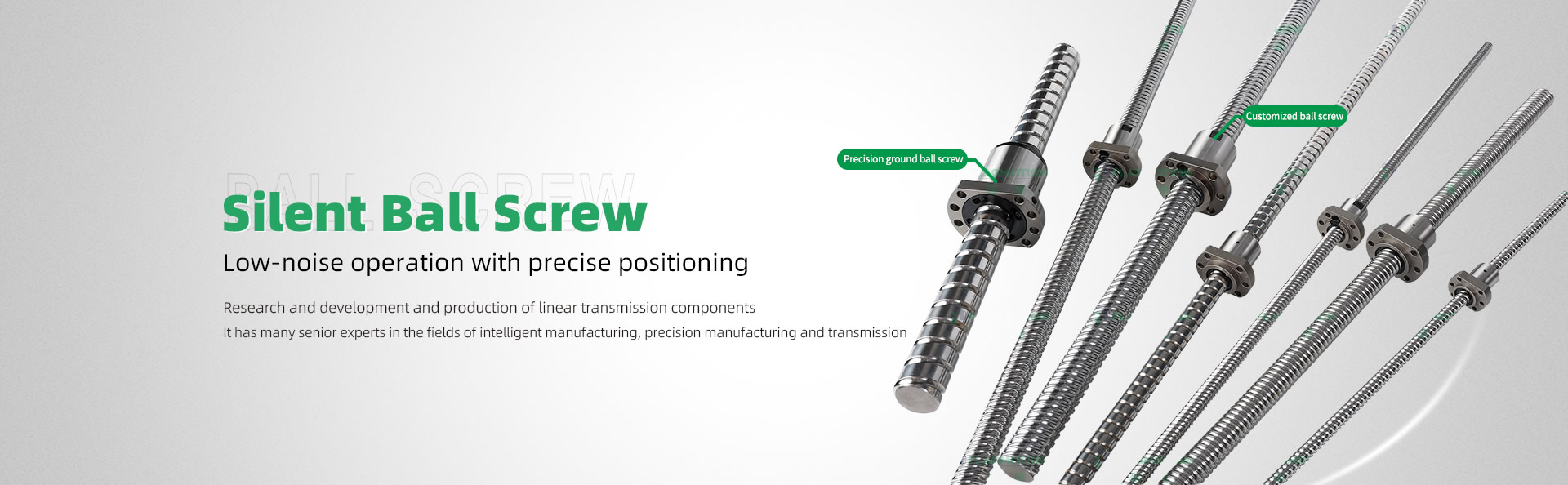
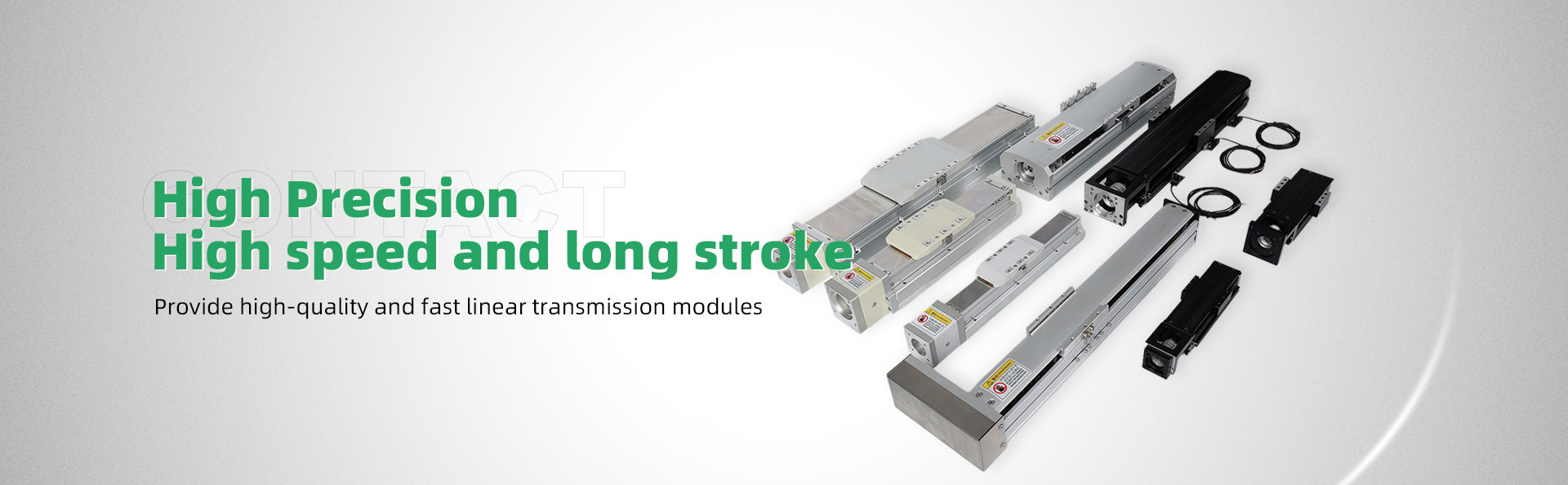
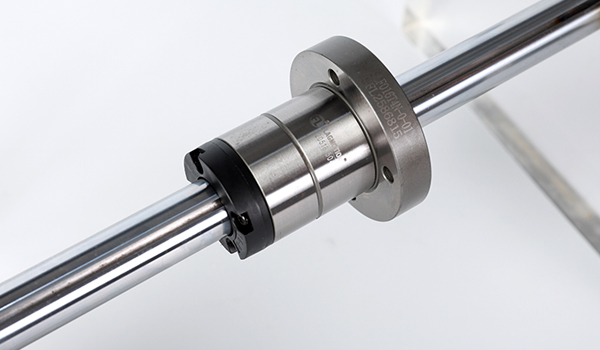
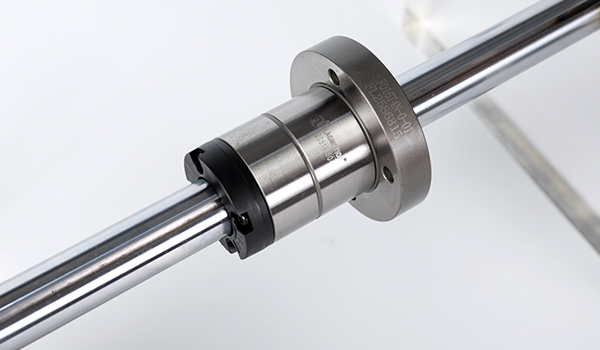
Ball splines, a type of mechanical transmission component, have a wide range of applications, almost covering all fields that require precise transmission. In this article, we will delve into the application scope of ball splines, explore their potential value, and provide new ideas for future design and manufacturing. The automotive industry is one of the main application fields of ball splines. In the transmission system of automobiles, ball splines are widely used in key components such as gearboxes, differentials, and steering gears. Its main function is to transmit torque and bear loads.
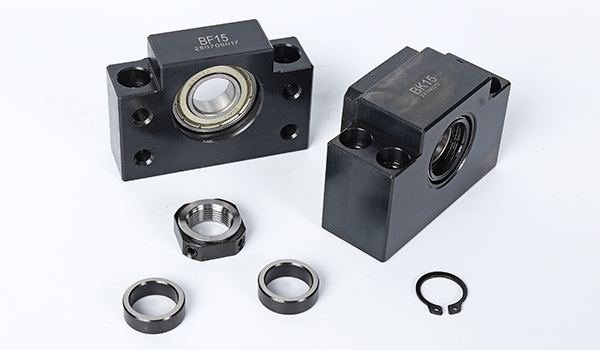
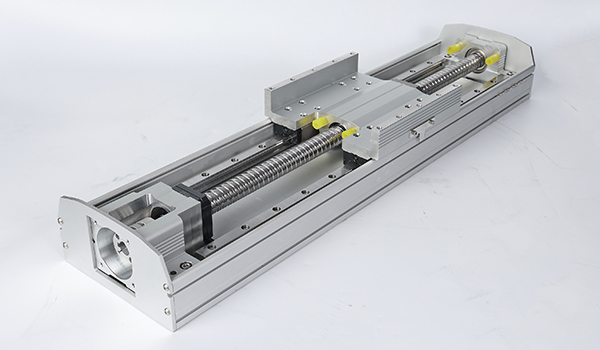
The screw support seat is an important component for the connection between the ball screw and the motor. By correctly selecting and using the screw support seat, the stable operation and long-term reliability of the ball screw system can be ensured. So, what are the requirements for the installation of screw support seats? I. Preparations before Installation 1. Inspect the support base: Ensure that the support base is undamaged, especially the bearings and seals should be intact. 2. Cleaning work: Before installation, keep the support base and the working environment clean to prevent dust and debris from entering the interior of the support base.
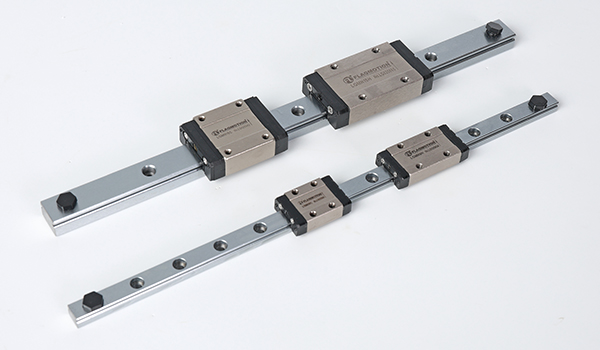
In daily work, maintaining linear guides is indispensable. The correct maintenance methods can extend the service life of linear guides and improve the accuracy and stability of mechanical equipment. Below, I will share some methods and tips for maintaining linear guides. First, keep it clean. The accuracy and lifespan of linear guides largely depend on their cleanliness. Therefore, it is very important to keep the linear guide rails clean. In daily work, it is necessary to regularly clean the linear guide rails and their surrounding environment to prevent the intrusion of impurities such as dust, dirt and chips.
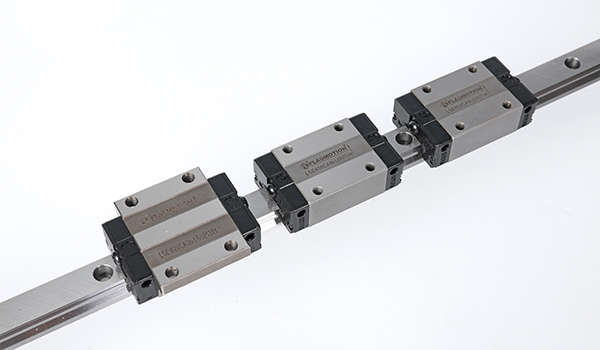
Linear guide rails are mechanical components composed of guide rails and guide rail sliders. Guide rails are long, strip-shaped metal materials installed on machines, usually made of high-precision materials, and are classified into ordinary linear guide rails, ball linear guide rails, etc. The guide rail slider is a component installed on worktables, grinding machines, etc. It is usually composed of the slider body, contact hemispheres, gaskets and other parts. Its movement on the guide rail enables the precise movement of the worktable and the spindle. Installation requirements and precautions for linear guides: 1. Select the installation location. The installation location should be as far away as possible from factors that affect the machine's operation, such as vibration and temperature changes, while also ensuring the convenience of machine operation
Belt semi-enclosed module, also known as synchronous belt linear module. The semi-enclosed module of the belt is made of aluminum profiles in one piece and features semi-sealed dust-proof characteristics. This design enables the module to effectively prevent the intrusion of dust and impurities when used in general environments, ensuring the stability and reliability of the equipment. Principle: The working principle of the belt semi-enclosed module mainly relies on the motor driving the active pulley of the synchronous belt to rotate, which in turn drives the slider on the synchronous belt guide rail to move in a straight line. During this process, the materials are placed on the belt and conveyed to the destination along with the belt's movement.
Ball splines, as a type of mechanical transmission component, are widely used in various machines and equipment, playing a crucial role in transmitting power and motion. Lubrication is a crucial step in the application of ball splines. Regular lubrication can reduce the friction of ball splines, extend their service life and improve work efficiency. So, what are the lubrication methods for ball splines? 1. Grease lubrication: Using special grease to lubricate all contact surfaces of the ball splines can effectively prevent wear and extend service life. Generally, when in use, the lubricating grease should be replenished or replaced based on an operating distance of 100 kilometers (6 months to 1 year).
Total6
Total pape1 |
Previous1
9First page
7Previous Page
Next page8
End Page:
Back