
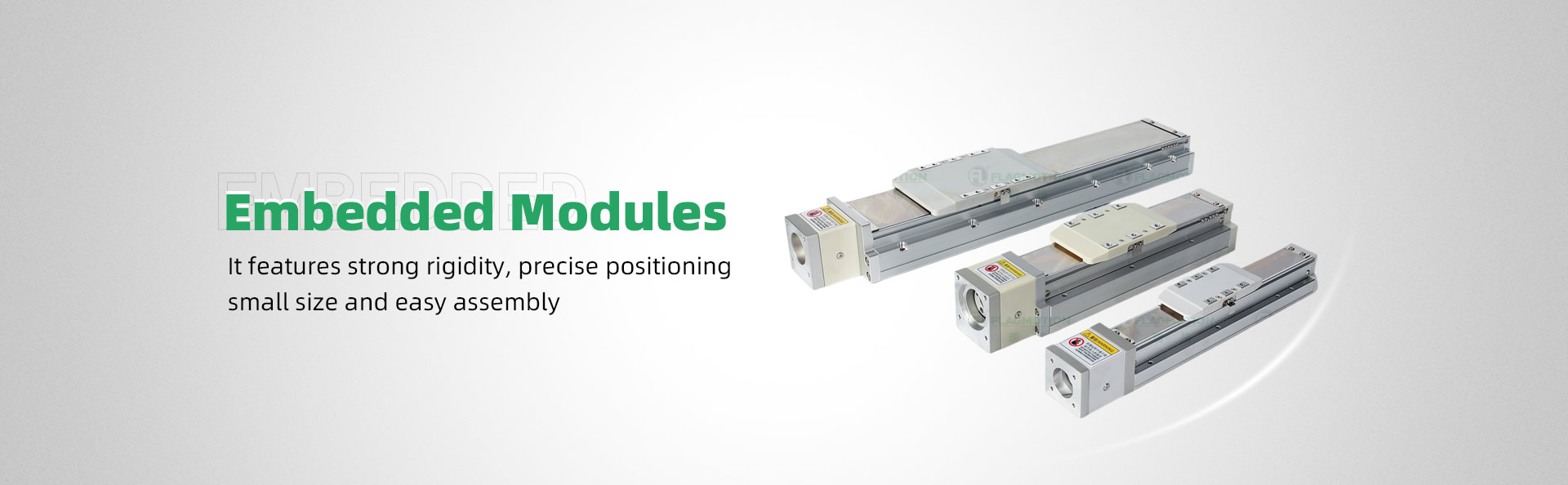
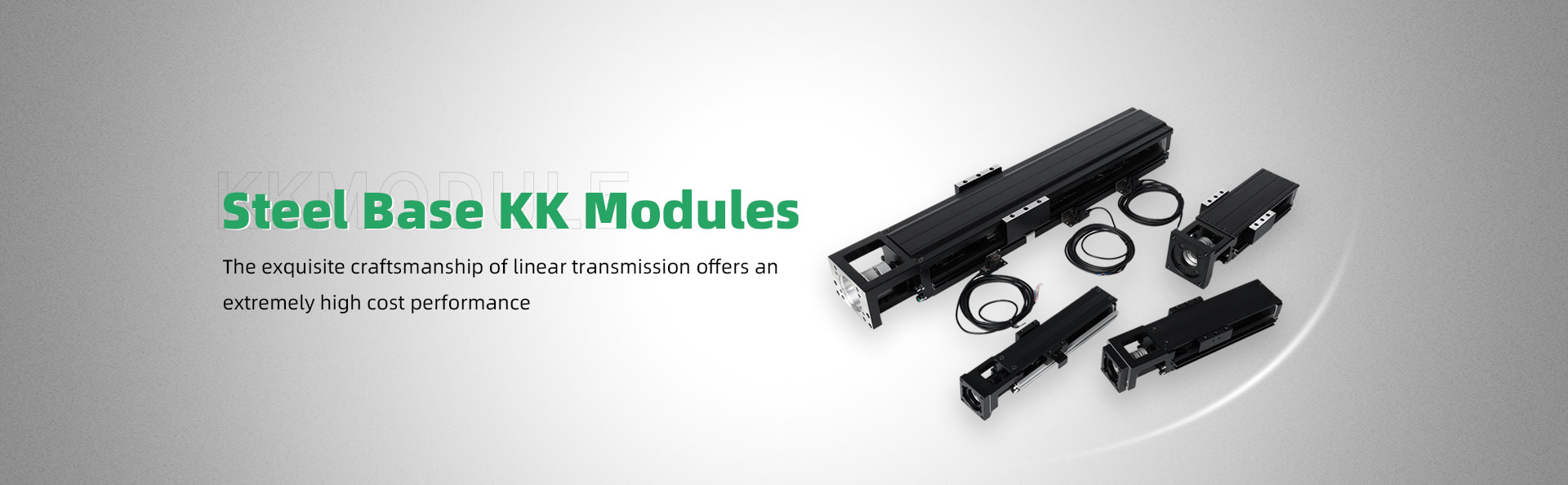
Linear modules are precision transmission components. Even high-quality products may suffer from jamming, abnormal noise, degraded positioning accuracy and other failures without standardized maintenance, which will directly affect the production stability of automated equipment. Proper daily maintenance can effectively extend the service life of modules and reduce losses caused by equipment shutdown.
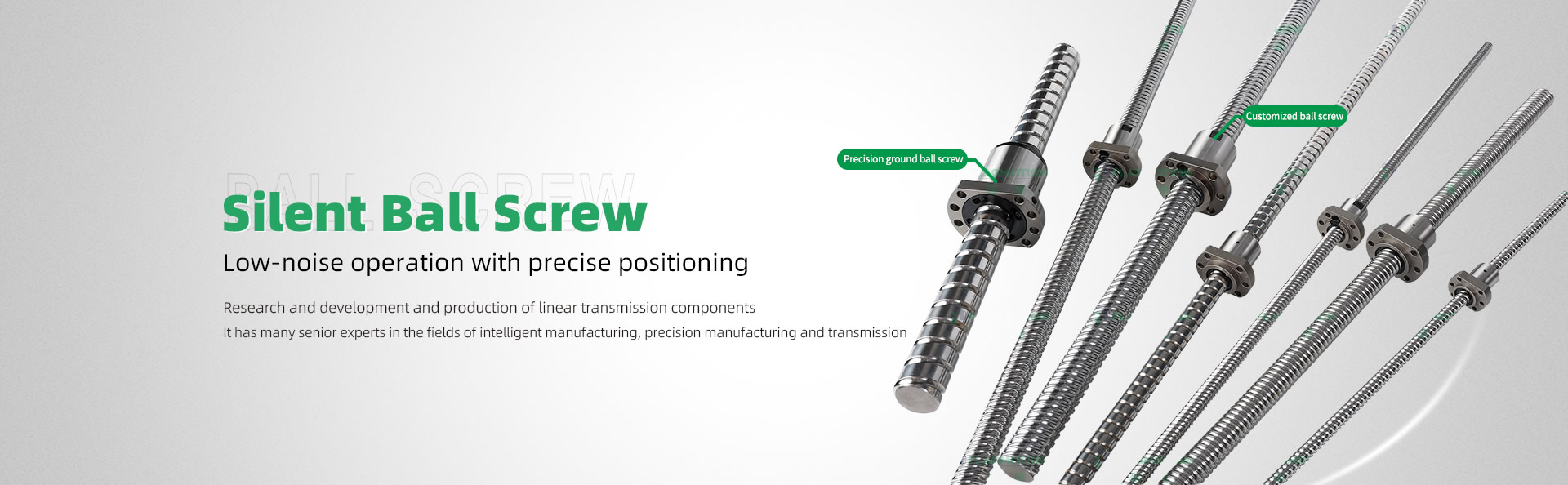
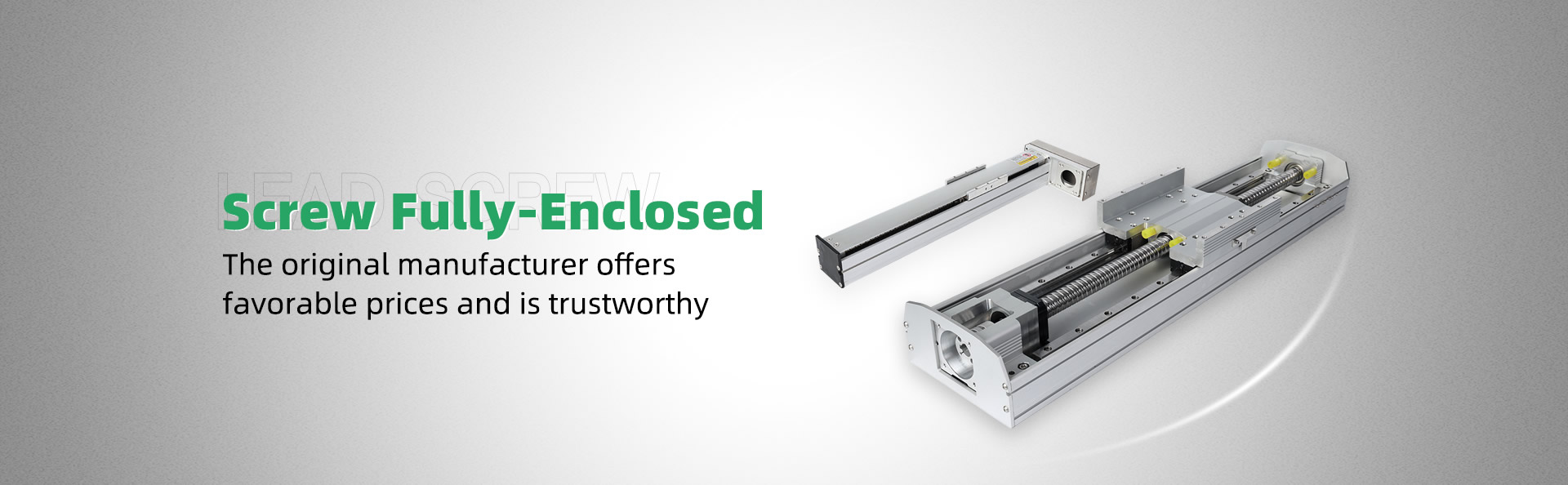
During daily operation, basic visual inspection should be carried out weekly. Check whether the dust cover of the module is damaged, and whether iron filings, dust or oil contamination accumulate on the guide rail and ball screw. Keep an eye out for abnormal vibration and noise during operation. Stop the machine promptly for troubleshooting once jamming occurs; do not continue production with existing faults. Dust and impurities entering the ball grooves will create an abrasive effect and accelerate wear of balls and rails, which is a common cause of module damage.
Regular lubrication is the core of maintenance. Lubricating grease should be replenished monthly for ball screws and linear guides. Wipe off old oil stains first, then apply suitable grease evenly. Manually reciprocate the module several times to ensure the grease fully infiltrates the ball pair. Avoid over-lubrication, as excess grease tends to attract contaminants.
Conduct in-depth inspections every quarter. Tighten all mounting screws of the module to prevent bolt loosening due to long-term vibration. Re-test the repeat positioning accuracy and compare it with factory parameters. If obvious accuracy deviation occurs, adjust preload in a timely manner or contact the manufacturer for maintenance. Avoid storing modules in humid environments. For long-term idle storage, periodic no-load power-on operation and anti-rust treatment are recommended.
All products from Green Valley Times Transmission undergo strict factory testing, yet precision transmission components still require scientific maintenance. With correct operation and regular upkeep, linear modules can maintain high precision over the long term, deliver full product performance and ensure efficient operation of automated production lines.



Scan WeChat
Enjoy one-to-one consultation
