
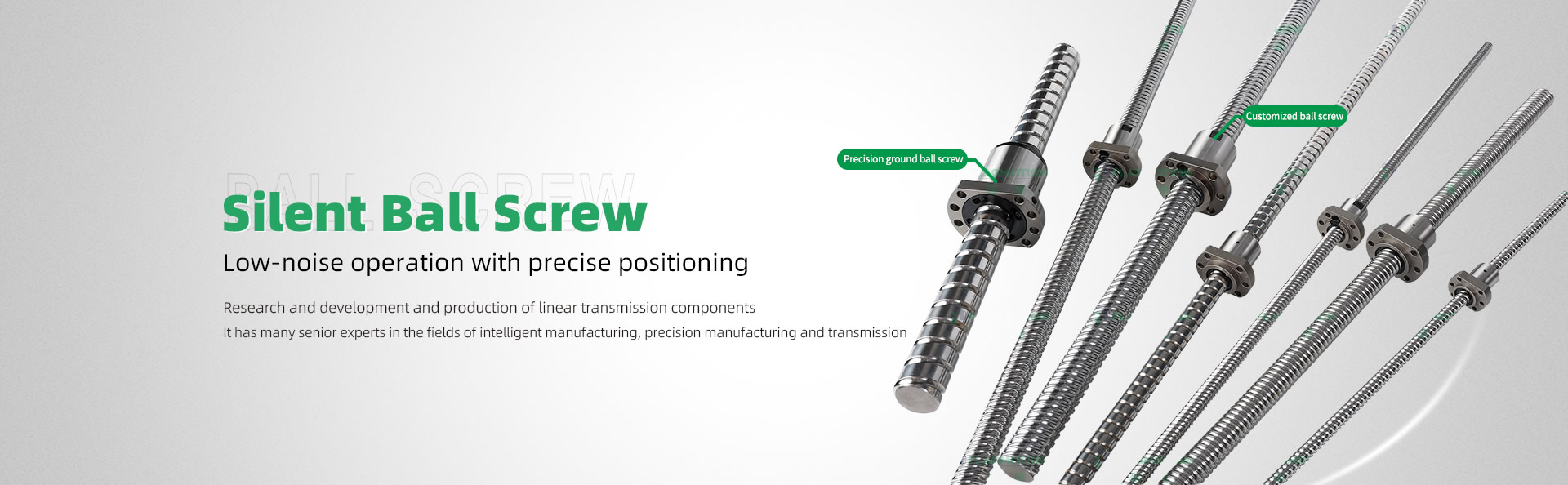
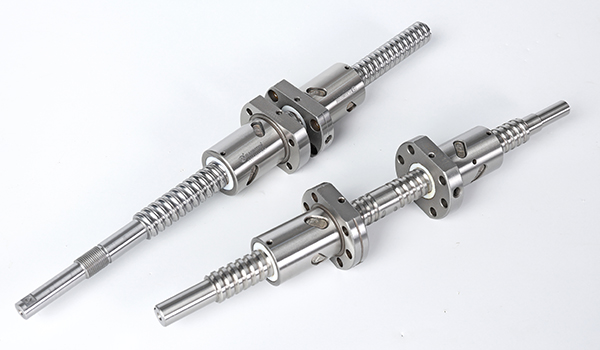
Ball screws are highly efficient transmission devices and are widely used in various mechanical equipment. In practical applications, both the input and output ends of the ball screw require bearing support to ensure the transmission accuracy and service life of the ball screw. Then, does a ball screw necessarily require a screw support seat?
The function of the screw support seat is to support the ball screw and reduce its friction and vibration, thereby improving the working efficiency and service life of the ball screw. Whether a support seat for a ball screw must be installed is not a blanket decision but rather depends on the specific working conditions and application environment of the ball screw.
Under low-speed and low-load conditions, the working requirements for ball screws are relatively low. At this time, the role of the support seat may not be so obvious, so it can be considered not to install a support seat. However, under high-speed and high-load working conditions, the working requirements for ball screws will be higher and their tolerance will become smaller. At this time, a support seat must be used to ensure the normal operation of the ball screw.
In simple terms, under low-speed and low-load conditions, ball screws do not necessarily require the support of screw support seats. However, under high-speed and high-load working conditions, a support seat for the ball screw is essential. Without a screw support seat, the ball screw will experience problems such as unstable screws, swinging, and vibration, which will seriously affect its working life.
Whether the support seat of the ball screw must be installed depends on the specific working conditions and application environment of the ball screw. It should be noted that ball screws of different specifications require support seats of different specifications. Therefore, when selecting the type, attention should be paid to the actual needs as well as the usage environment and requirements of the mechanical equipment.



Scan WeChat
Enjoy one-to-one consultation
