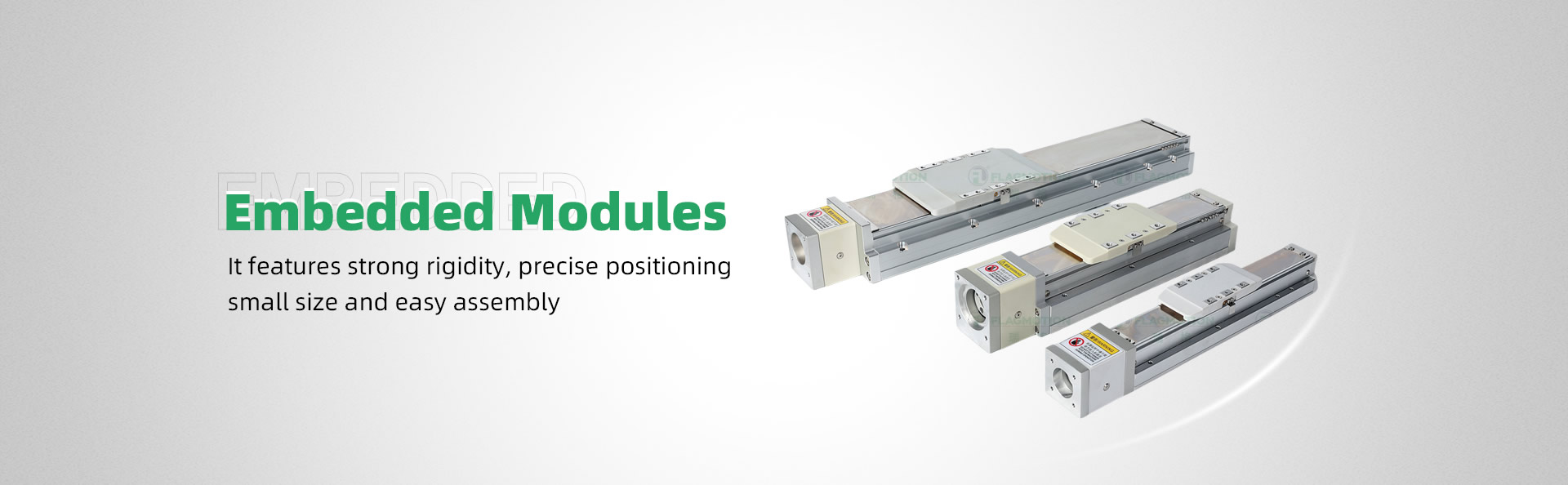
An embedded module, also known as an embedded module, is an integrated electronic component that integrates multiple electronic elements and circuits within a closed enclosure to achieve specific functions. This design enables the embedded module to have a high degree of integration and compactness, facilitating rapid deployment and use in various devices and systems. The main features of embedded modules include: First, high integration, integrating multiple electronic components and circuits within a single module, reducing external connections and wiring, and enhancing the stability and reliability of the system; Second, it is small in size and light in weight, making it convenient to use in equipment with limited space.
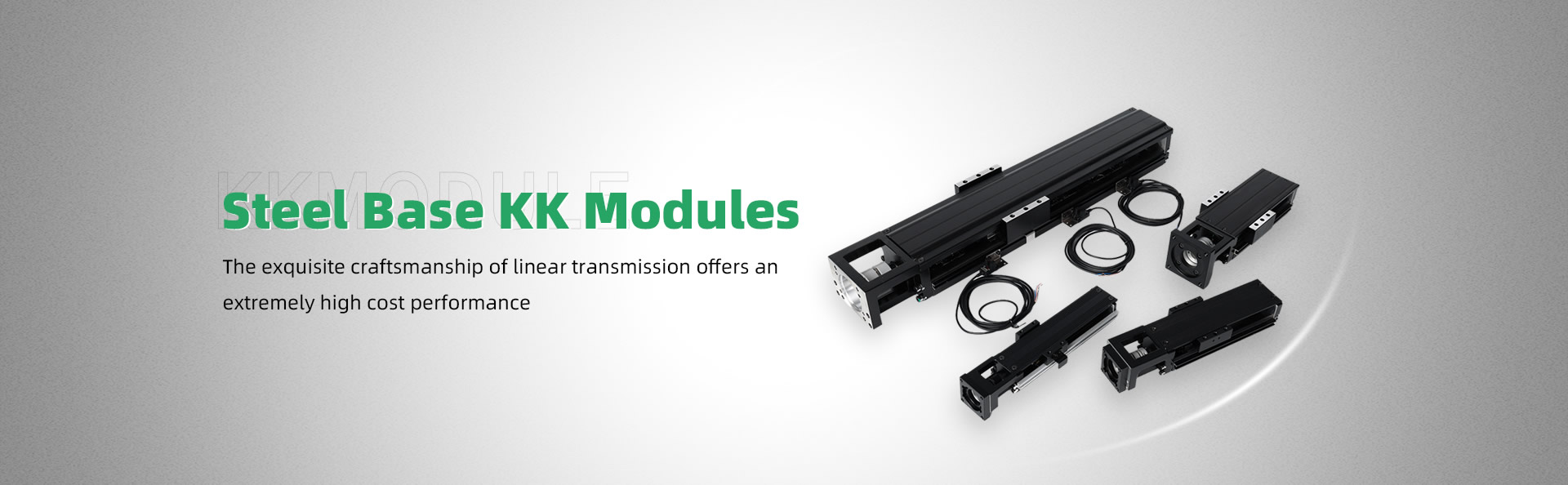
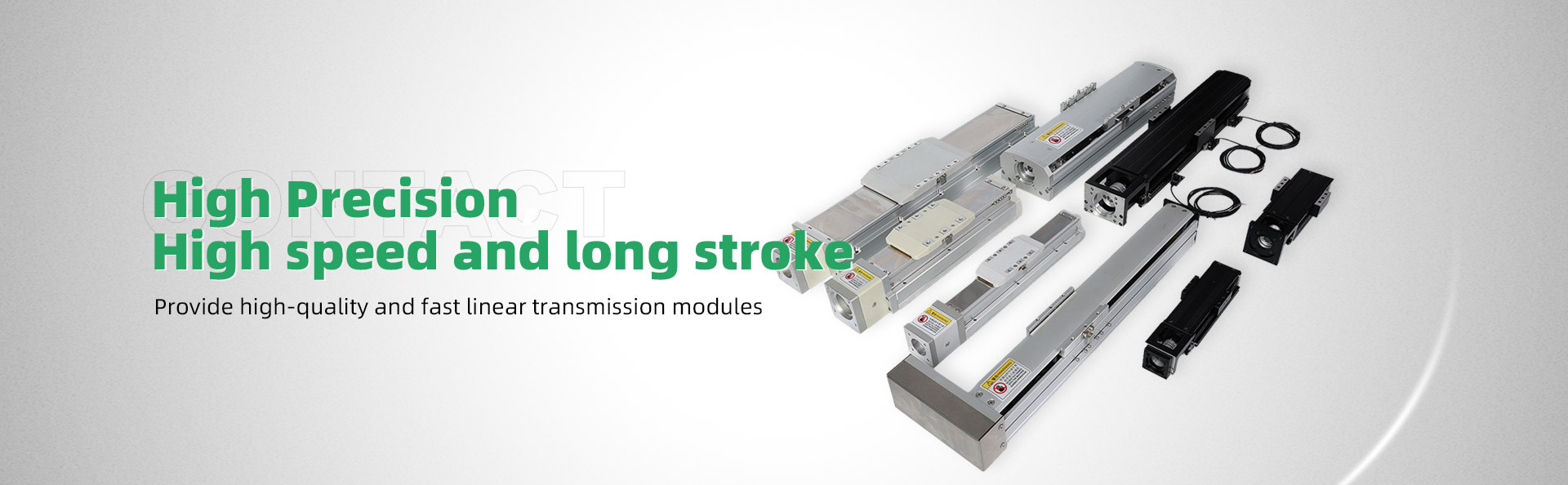
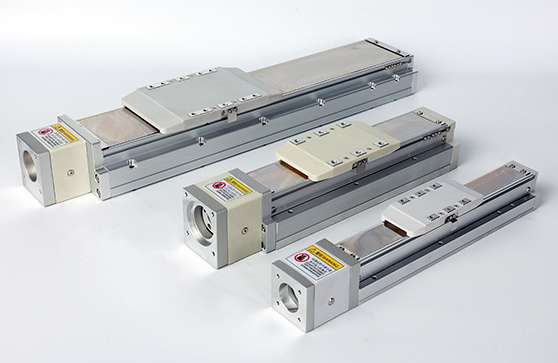
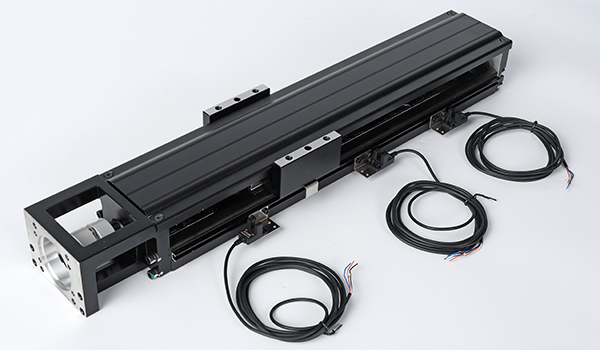
The working principle of the KK module is that the motor is connected to the rotating shaft through a coupling to rotate, thereby driving the lead screw to rotate. The lead screw nut seat controls the direction to move back and forth. The KK module is called the "noble" among linear modules mainly due to its structural features, performance advantages and price. 1. Modular design: Through modular design, KK modules integrate ball screws and linear guides, using high-precision ball screws as the transmission mechanism and optimally designed U-shaped tracks as the guiding mechanism, ensuring the requirements of precision and rigidity.